
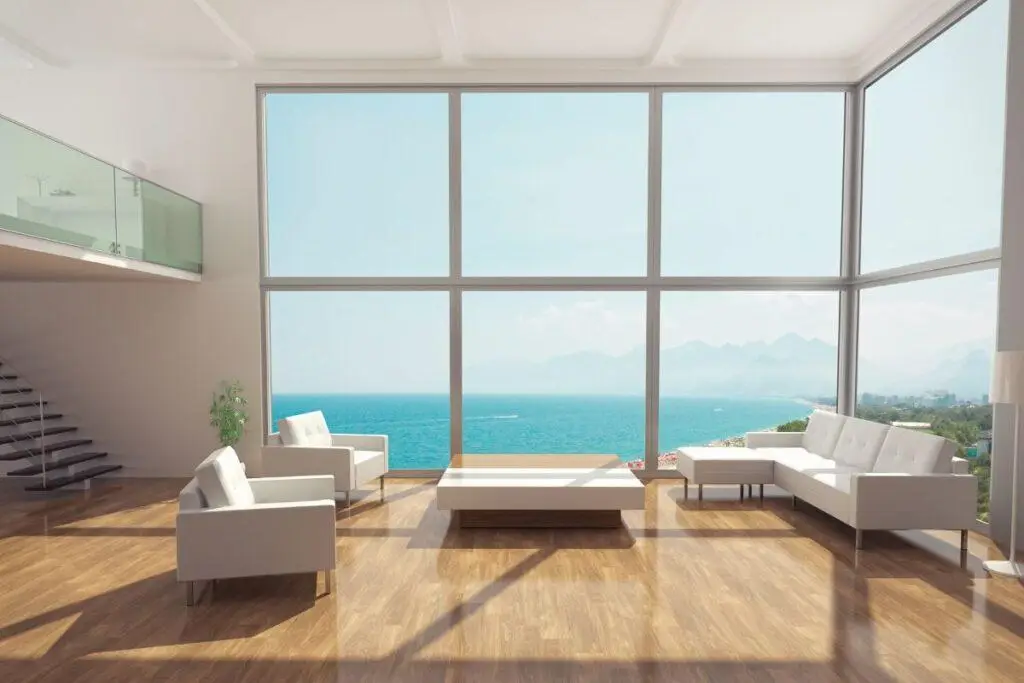
South Florida’s luxury real estate market is not simply expanding. It is becoming more clearly defined at the highest levels.
While residential markets across the country may move through periods of adjustment, South Florida continues to attract buyers seeking exceptional properties, distinctive architecture, waterfront living, privacy, favorable lifestyle opportunities, and year-round access to one of the most desirable coastal environments in the country.
Within the true luxury tiers, the market behaves differently. Homes valued at several million dollars and beyond are evaluated according to a more demanding standard. Buyers are not comparing basic floor plans, conventional finishes, or minor upgrades. They are evaluating architecture, land, craftsmanship, privacy, technology, resilience, lifestyle, and the ability of a residence to feel genuinely personal.
At this level, buyers are not simply purchasing homes. Increasingly, they are commissioning them. That distinction changes the expectations placed upon the architect, builder, design team, craftsmen, consultants, and every professional entrusted with bringing the residence to life.
The South Florida luxury market is not driven by the same priorities that influence conventional residential real estate.
At the highest end, demand is shaped by scarcity, waterfront access, architectural distinction, privacy, quality of construction, proximity to lifestyle amenities, and the confidence that the residence can support the owner’s expectations without compromise.
Buyers in this segment are often experienced property owners. Many have built or renovated homes before. They understand the difference between premium products and genuine craftsmanship, between dramatic presentation and disciplined construction, and between a home that photographs beautifully and one that performs beautifully.
This knowledge has raised the standard. Builders working within the true luxury market must be prepared to demonstrate far more than an attractive portfolio. They must show judgment, organization, technical discipline, communication, quality control, and the ability to manage complexity from concept through completion.
South Florida continues to attract business executives, entrepreneurs, investors, professional athletes, public figures, international buyers, and families seeking primary residences, second homes, and long-term legacy properties.
These clients are often not searching for available inventory. They are seeking control over the outcome.
They want to determine how the residence is positioned on the property, how guests arrive, how private spaces remain protected, how entertaining areas function, how views are framed, how technology operates, and how every room supports the rhythm of daily life.
For these buyers, customization is not an upgrade. It is the reason to build.
At the highest levels of the South Florida market, demand for fully custom residences continues to be shaped by the desire for greater control and fewer compromises.
A pre-existing home may offer an exceptional location, but its layout, systems, architectural identity, privacy, or level of finish may not align with the buyer’s expectations.
Building from the ground up allows the residence to be shaped around the property and the owner simultaneously. Lot selection, orientation, architecture, structural planning, materials, technology, landscape design, outdoor living, and interior detailing become parts of one cohesive process.
Rather than adapting a lifestyle to an existing structure, the structure is created to support the lifestyle.
Ronin Development operates within the custom luxury segment of South Florida home construction, working with clients who expect a residence designed around their individual vision, priorities, and property.
The objective is not to repeat a standard product or apply a familiar package of finishes to a different address. Each home is approached as its own architectural and construction undertaking.
The scale, layout, structure, materials, exterior environment, technology, mechanical systems, and final details are coordinated according to the needs of the project and the lifestyle of the homeowner.
This approach creates residences that are not intended to be replicated because they were never conceived as products for a general market.
The highest level of custom construction is not driven by volume. It is driven by precision.
A highly personalized residence requires sustained attention across hundreds of design decisions, thousands of construction details, and numerous specialized systems.
Changes in one area can influence another. A ceiling treatment may affect mechanical routing. A glass wall may influence structural engineering and cooling requirements. A custom kitchen may require early coordination between cabinetry, appliances, lighting, electrical systems, ventilation, stone fabrication, and plumbing.
Precision requires the builder to understand the entire home while remaining accountable for the smallest detail within it.
A true luxury home should possess an architectural identity that feels connected to the owner, the property, and the South Florida setting.
Architecture at this level is not simply a collection of dramatic forms. It is the organization of space, movement, privacy, light, views, materials, structure, and daily experience.
The residence may be contemporary, transitional, coastal, Mediterranean-inspired, or influenced by another design language. Regardless of style, the architecture should remain cohesive from the exterior approach through the smallest interior detail.
The home should feel distinct without becoming arbitrary, expressive without becoming excessive, and personal without sacrificing long-term architectural integrity.
Premium lots, waterfront parcels, and properties within exclusive communities are increasingly valuable and frequently difficult to replace.
Once the right property is secured, the importance of placing the right residence upon it becomes critical.
Orientation, setbacks, water views, sunlight, privacy, neighboring properties, elevation, access, landscape opportunities, drainage, wind exposure, and community requirements can all influence the architecture.
A successful custom home does not overpower the property or ignore its conditions. It reveals the property’s potential through thoughtful planning and disciplined execution.
At the highest levels of South Florida real estate, opportunities are limited.
A waterfront lot, established estate parcel, or property in a highly desirable location may represent a rare opportunity that cannot be easily recreated.
A poorly planned residence can diminish the value and experience of even the finest property. Compromised views, inefficient circulation, weak indoor-outdoor relationships, inadequate privacy, or insufficient attention to the climate can limit the potential of the land.
A carefully designed and expertly constructed custom home can elevate the property, strengthen the owner’s lifestyle, and protect the long-term value of the investment.
A South Florida luxury home must respond to more than appearance and lifestyle. It must also respond to climate and exposure.
Heat, humidity, intense sunlight, salt air, heavy rainfall, wind-driven water, storm conditions, and coastal environments place considerable demands upon the structure and building envelope.
Impact-resistant glazing, reinforced structural systems, carefully detailed roofs, corrosion-resistant components, waterproofing, drainage, exterior material selection, and mechanical humidity control become essential parts of the design.
Resilience does not reduce luxury. In South Florida, resilience is one of the qualities that makes luxury credible.
Large spans, open living spaces, expansive glass walls, cantilevers, floating stairs, elevated terraces, and uninterrupted sightlines may appear effortless when the home is complete.
Behind that appearance is a demanding process of structural engineering, reinforcement, coordination, and accurate construction.
Foundations, concrete, framing, structural steel, openings, roof systems, and connections must be executed precisely so that the architecture can be realized without compromising performance.
The finest finishes depend upon the accuracy of the structure supporting them.
Seamless indoor-outdoor living has become essential within high-end South Florida residential design.
Expansive glass systems, aligned floors, covered terraces, summer kitchens, resort-style pools, waterfront environments, landscaped courtyards, and open entertaining spaces allow the home to extend beyond its enclosed walls.
These relationships should be established early. Interior rooms, ceiling lines, floor materials, view corridors, doors, lighting, and exterior amenities must be coordinated as one architectural composition.
When executed correctly, the transition between the interior and exterior feels natural, uninterrupted, and central to the daily experience of the residence.
Luxury homeowners increasingly expect the residence to provide many of the experiences once associated with a private resort.
Pools, spas, shaded lounges, outdoor kitchens, fire features, fitness areas, private gardens, wellness rooms, home theaters, wine environments, waterfront terraces, and guest accommodations can create a complete lifestyle within the property.
These amenities should not feel like isolated additions. They should be integrated into the architecture, circulation, landscape, lighting, technology, and daily routines of the home.
The objective is not to include the greatest number of features. It is to create the combination of spaces that most completely supports the homeowner.
Materials play a central role in establishing the character, texture, and permanence of a custom residence.
Natural stone, premium wood, architectural glass, custom metalwork, handcrafted plaster, bespoke cabinetry, and carefully selected surfaces can create depth and refinement.
The strongest material palettes are often disciplined. Instead of filling the residence with unrelated finishes, a limited collection of exceptional materials may be repeated with consistency across interior and exterior spaces.
The result feels curated rather than standardized, refined rather than excessive, and connected rather than assembled.
The presence of expensive materials does not guarantee an exceptional home.
Stone must be selected, sequenced, cut, supported, aligned, and installed properly. Cabinetry depends upon accurate dimensions, straight walls, level floors, quality hardware, and careful finishing.
Woodwork must account for movement and humidity. Glass requires precise structural openings. Metal details must align with surrounding materials. Tile, plaster, flooring, and trim must meet cleanly and consistently.
Craftsmanship is revealed at the transitions, where different materials, trades, and architectural details come together.
Modern luxury includes intelligent systems that support lighting, climate, privacy, access, security, entertainment, energy management, shades, pools, and outdoor environments.
The value of technology is not found in the number of controls installed throughout the residence. It is found in the ease with which those systems work together.
Interfaces should be intuitive, infrastructure should be reliable, and equipment should remain accessible for service. The homeowner should be able to control the environment without being required to manage its complexity.
When integrated properly, technology becomes an invisible layer of comfort, convenience, security, and control.
A true custom residence should reflect the owner’s lifestyle, preferences, collections, routines, entertaining style, privacy expectations, wellness priorities, and long-term plans.
One client may prioritize a professional-quality kitchen and expansive entertaining areas. Another may envision an automotive gallery, private spa suite, office environment, art collection, recording studio, fitness center, waterfront pavilion, or multigenerational guest wing.
These spaces should not be copied from another home. Their dimensions, materials, infrastructure, acoustics, lighting, storage, technology, and circulation should be shaped around the person who will use them.
This degree of personalization is what transforms a luxury residence into a one-of-a-kind living experience.
At the highest level of custom construction, the builder-client relationship becomes one of the most important elements of the project.
The process may involve extensive planning, major financial decisions, specialized consultants, international materials, custom fabrication, complex approvals, and thousands of details that must remain aligned over an extended period.
The client must trust that the builder will communicate clearly, identify issues early, protect the design intent, manage quality, coordinate specialists, and remain accountable when decisions become difficult.
Trust is earned through consistency, transparency, preparation, judgment, and follow-through.
Luxury service extends beyond the physical construction of the residence.
Clients should receive clear communication regarding decisions, schedules, selections, changes, challenges, and the next steps required to keep the project moving.
Complex information should be presented in a way that allows the homeowner to make informed decisions without being overwhelmed by unnecessary technical detail.
A well-managed process reduces uncertainty and allows the client to remain connected to the vision while the builder manages the complexity required to execute it.
A custom luxury home may involve architects, structural engineers, civil engineers, interior designers, landscape architects, lighting designers, technology specialists, pool professionals, millworkers, stone fabricators, specialty artisans, and numerous trades.
Each discipline contributes specialized knowledge, but the project succeeds only when their work remains coordinated.
Structural requirements must support architecture. Mechanical systems must fit within ceilings and cabinetry. Lighting must align with stone, furniture, artwork, and millwork. Pool and landscape construction must coordinate with drainage, utilities, terraces, and the architecture of the home.
The builder must understand how these decisions intersect and resolve conflicts before they become visible in the finished residence.
A final inspection cannot create quality that was missing throughout construction.
Structural work, waterproofing, roofing, mechanical installations, plumbing, electrical systems, insulation, windows, doors, substrates, cabinetry, stone, flooring, and finishes should be reviewed at the appropriate stages.
Concealed work must be evaluated before it disappears behind walls and completed surfaces. Materials must be verified before installation. Finished areas must be protected while later phases continue.
Continuous quality control allows minor issues to be corrected before they become major disruptions or permanently concealed deficiencies.
In a highly customized residence, one poor decision can affect multiple systems, finishes, schedules, and future maintenance requirements.
A misplaced structural element can compromise cabinetry or architecture. Inadequate waterproofing can damage premium finishes. Poor mechanical planning can create noise, uneven temperatures, humidity problems, or visible design compromises.
Corrections become more difficult as construction progresses and custom materials are installed around the underlying work.
The value of an experienced builder is often revealed in the issues that were anticipated, coordinated, and prevented before the homeowner ever became aware of them.
The first impression of a completed luxury home is important, but the deeper test begins after the homeowner moves in.
Doors, windows, cabinetry, stone, flooring, lighting, plumbing, mechanical systems, technology, pools, drainage, and exterior materials must continue to perform through daily use and South Florida’s demanding climate.
The home should remain comfortable, quiet, organized, secure, and visually refined without requiring constant correction.
True quality is measured not only on the day of completion, but through the years that follow.
Many clients building at the highest level are not thinking only about immediate use. They are creating residences intended to remain meaningful to their families for years or generations.
A legacy home must combine personal identity with enduring architecture, adaptable spaces, resilient construction, quality materials, and systems that can be maintained or updated over time.
The residence should feel deeply connected to the current owner without becoming so dependent upon temporary trends that it loses relevance.
The goal is a home that reflects one vision while possessing the quality and architectural strength to remain valuable long after completion.
The South Florida luxury market continues to demonstrate strength, but it is also becoming more refined.
Sophisticated buyers are evaluating quality, architecture, systems, construction, materials, and long-term performance with a critical eye.
They recognize the difference between a residence designed around a coherent vision and one assembled from expensive features. They notice weak transitions, inefficient layouts, poor material coordination, mechanical compromises, and finishes that do not meet the standard suggested by the price.
Success at this level is no longer about delivering something generally impressive. It is about delivering something exact.
Demand for custom luxury residences in South Florida is likely to remain closely connected to the region’s ability to attract high-net-worth buyers seeking lifestyle, privacy, favorable climate, waterfront access, and long-term investment opportunities.
As buyers become more knowledgeable and available properties become more limited, the desire for personalization will continue to influence the decision to build.
Luxury will increasingly be defined less by excess and more by execution, discretion, wellness, technology, durability, architectural identity, and the ability of the home to support the owner naturally.
The residences that remain most meaningful will be those designed thoughtfully, built carefully, and aligned completely with the client’s vision.
At the highest levels of South Florida real estate, homes are not simply purchased. They are commissioned.
The outcome depends upon the team entrusted to interpret the vision, coordinate the complexity, protect the details, and maintain the intended standard through every phase of construction.
Ronin Development focuses on creating fully custom luxury residences shaped around the client, the property, and the experience the homeowner wants to achieve.
The commitment extends beyond appearance. Architecture, structure, systems, materials, craftsmanship, indoor-outdoor environments, technology, and final detailing are treated as connected parts of one complete residence.
The result is a home that cannot be replicated because it was never intended to be anything other than personal.
South Florida’s luxury home market is defined by clients who expect more than an impressive address, expansive square footage, or recognizable finishes.
They expect a residence that reflects their lifestyle, protects their privacy, supports their routines, responds to the environment, and demonstrates exceptional quality in both visible and concealed work.
The right property creates an opportunity. Architecture gives that opportunity form. Engineering gives it strength. Craftsmanship gives it refinement. Technology gives it responsiveness. Personalization gives it identity.
The builder’s responsibility is to bring all of these elements together without allowing one to weaken another.
Ronin Development approaches luxury home construction with this understanding. The residence is not treated as a collection of rooms, products, and upgrades. It is treated as one complete environment, shaped from concept to completion around the client and the property.
In a market where excellence is expected, the right builder does more than complete the home. The right builder protects the vision and gives it permanence.
If you are considering building a custom luxury residence in South Florida, Ronin Development welcomes the opportunity to bring your vision to life. From property planning, architecture, and structural performance to custom interiors, advanced technology, resort-style outdoor environments, waterfront living, and the smallest finishing details, every element can be coordinated as part of one complete commitment to craftsmanship and excellence.

This article is provided for general informational and marketing purposes only and should not be considered architectural, structural, engineering, construction, financial, investment, appraisal, real estate, legal, tax, insurance, environmental, permitting, code, market forecasting, or professional advice. References to luxury market conditions, price tiers, buyer preferences, demand, scarcity, future activity, property value, and construction expectations are general observations and may vary by location, property, project, buyer, economic conditions, and market timing. Prospective homeowners, buyers, sellers, investors, and property owners should consult qualified builders, architects, engineers, real estate professionals, appraisers, financial advisors, attorneys, insurance professionals, tax advisors, environmental consultants, and applicable governmental authorities before purchasing property, making investment decisions, planning a luxury residence, or beginning construction.